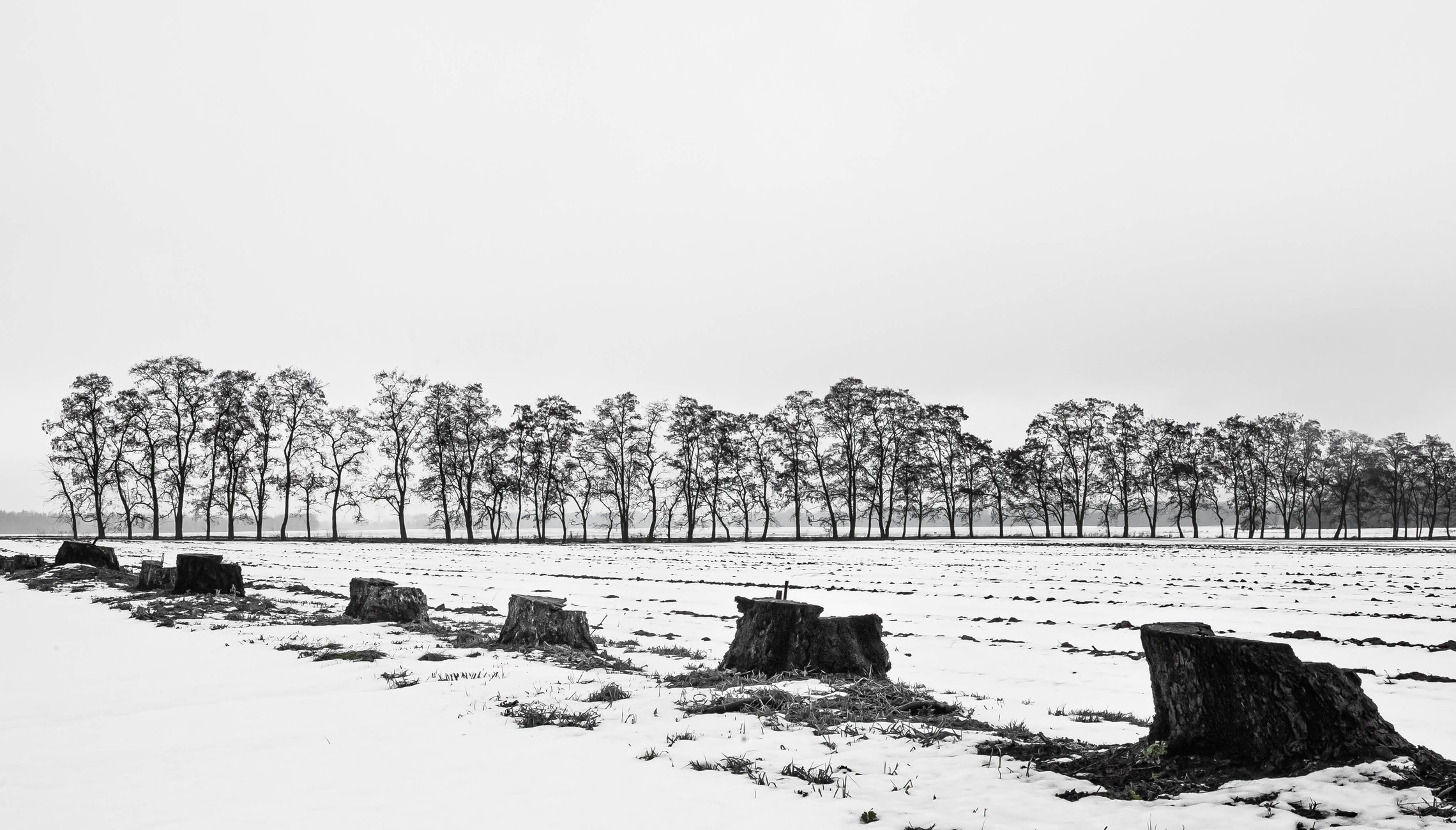
In this work, of course, there are questions about working out details in lights and shadows. However, when constructing the composition, the author used the RHYTHM style Also, the viewer’s gaze smoothly slides diagonally from the PNU to the left, then horizontally to the right This indicates that when shooting, the author used not only the Japanese camera algorithm and his own finger, but also turned on his BRAINS! And this doesn’t happen often, even in perfectly slicked photos.
@Andere, К вопросу о светах и тенях,сознательно не выделял ни структуру снега,ни пеньков.Были мысли из пеньков вообще" головешки "сделать.За "МОЗГИ " спасибо большое.Так то знаю,что на сайте не приветствуются такие работы,но...иногда комментарии подобные Вашему дают стимул искать подобные сюжеты.Спасибо еще раз.
@Valerij, It is not customary for Germans to say thank you. We say: Danke schön and Bitte schön = Thank you so much and thank you so much (may I die) And we shuffle our feet while we do it ;)))))))))))))))))))))))))))))))))))))))
@Пан, Опять в точку )) Если принять во внимание второй план,думаю для него будет уместно " а сейчас к доске пойдееет,к доске пойдееет..." ,или без разбора подчистую ((



Комментарии 5
Чтобы писать комментарии, пожалуйста авторизуйтесь или зарегистрируйтесьHowever, when constructing the composition, the author used the RHYTHM style
Also, the viewer’s gaze smoothly slides diagonally from the PNU to the left, then horizontally to the right
This indicates that when shooting, the author used not only the Japanese camera algorithm and his own finger, but also turned on his BRAINS! And this doesn’t happen often, even in perfectly slicked photos.

BRAVO!Thank you so much and thank you so much (may I die) And we shuffle our feet while we do it ;)))))))))))))))))))))))))))))))))))))))