
Firing over refusal of AI surveillance challenged in court
A New Jersey employee sued her employer after being fired for refusing constant webcam monitoring by an AI system.

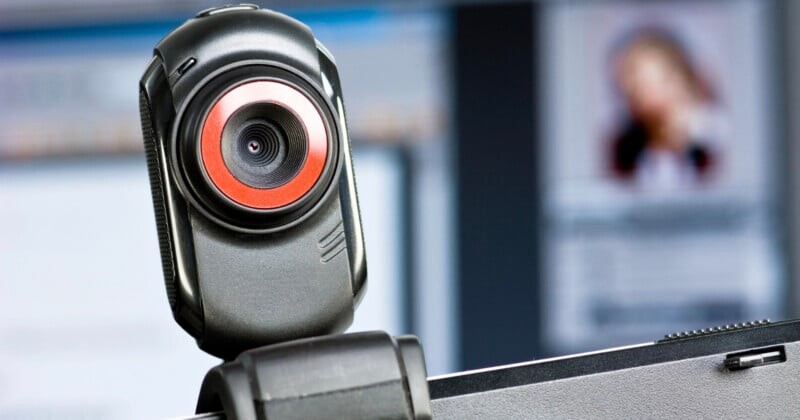
A U.S. resident claims she was fired for refusing to be photographed by webcam every three minutes, citing concerns about privacy and her health. In her lawsuit, she accuses her employer of discrimination and seeks compensation and reinstatement.
Employee challenges firing after refusing to be photographed every three minutes
U.S. resident Glennis Von Sander-Timinski has filed a lawsuit against her former employer, Sutherland Healthcare Solutions. She claims the company fired her after she refused to follow a new rule requiring a program to photograph her via webcam roughly every three minutes during the workday.
Von Sander-Timinski had worked for the healthcare outsourcing services company since 2018. She worked remotely from home, and, according to court documents, there had been no problems with her work before the monitoring system was introduced. Her performance reviews were positive.
In August, her employer told her it was implementing Sentinel AI. The program was supposed to take about 160 screenshots during each workday. Von Sander-Timinski objected to the system, concerned that the AI would capture images of the interior of her home and that the data might not be adequately protected.
She also warned the company that constant monitoring would increase her stress levels and could trigger a lupus flare-up. The disease can cause fever, rashes, and ulcers. To support her request, the employee gave her employer a letter from her doctor recommending that she be exempted from AI monitoring. The doctor said photographs could be taken “at intervals or less frequently.”
Three options instead of an exemption
Despite her objections, Sutherland Healthcare Solutions did not change its position on Sentinel AI. The employee was offered a choice: accept video monitoring, commute to the office every day, or lose her job.
Commuting was virtually impossible for her: she lived in Atlantic County, and the round trip to the company’s office in Clinton, New Jersey, would take about six hours. Von Sander-Timinski rejected the options offered. She was fired on September 8, despite having worked for the company for eight years by then.
In her lawsuit against Sutherland Health Solutions, as the company is named in this part of the report on the case, the employee claims that her employer violated New Jersey’s anti-discrimination laws and retaliated against her for requesting “reasonable accommodations” related to the monitoring system.
She is seeking back pay, compensation for emotional distress and the denial of accommodations that would have allowed her to avoid monitoring, reinstatement to her position, and removal of records of the incident from her employment file.
Rules on employee surveillance
According to NewJersey.com, only a few U.S. states have restrictions on employer surveillance. New York, Connecticut, Delaware, and California are beginning to introduce such restrictions. New Jersey is also considering a bill to regulate AI-based employee monitoring tools.
Earlier this year, Maine passed a law prohibiting surveillance of employees inside their homes unless such monitoring is deemed necessary.
Von Sander-Timinski’s lawsuit follows a similar case in the United Kingdom. A travel company consultant who worked from home and suffered from anxiety successfully challenged a discrimination claim after her employer required her to turn on her camera during work meetings.