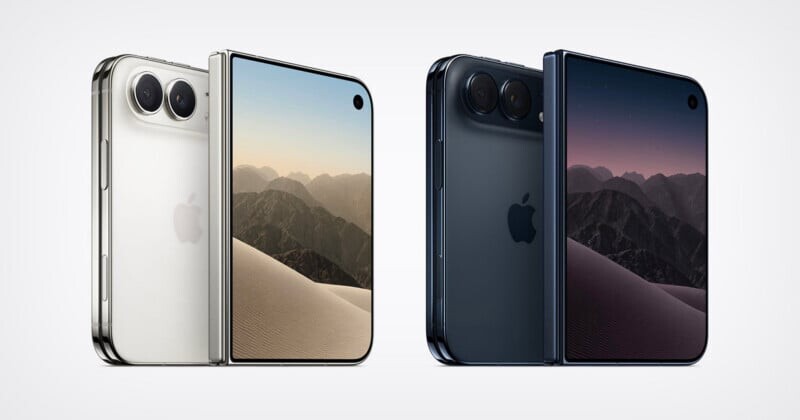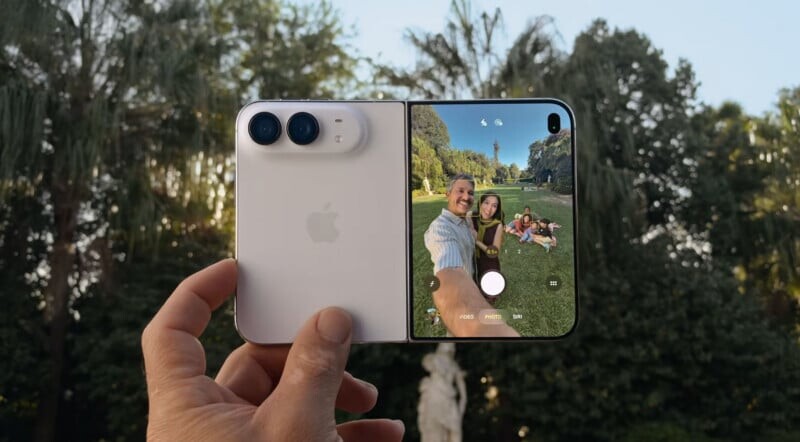
iPhone Duo Crackgate: Screen Defect or Social Media Hype?
We look into reports of cracks on the iPhone Duo’s inner display, possible causes of the defect, Apple’s response, and the true scale of crackgate.


iPhone Duo owners are reporting defects in the inner display; iFixit links them to stress around the hinge, but the cause has not been determined. Apple is offering replacements to affected users, and the scale of the problem remains unclear.
The first reports of damage to the iPhone Duo display appeared soon after the device launched. One of the earliest cases was described by an Australian owner: the inner display of their smartphone cracked less than six hours after purchase. More complaints then began appearing on Reddit, and the discussion was unofficially dubbed “crackgate.”
What’s known about the damage
The iPhone Duo community on Reddit has seen many reports of malfunctions. In most cases described, the damage occurs in the same spot on the inner display. Some posts are memes, and recently there have also been more posts to the contrary, with owners saying their devices are working normally.

However, activity on social media does not reveal the scale of the problem. Users whose smartphones have not broken are less likely to post about it on Reddit, and some owners may not even know about the controversy.
iFixit’s teardown and a possible cause
iFixit has already taken apart the iPhone Duo to examine its design and assess how easy it is to repair. Similar complaints from several owners prompted closer attention to the teardown: damage recurring in the same spot could point to a design issue or manufacturing defect.

“After fifteen years of patents and rumors, the iPhone Duo is finally here, and repair shops may not have to wait long for their first customers,” iFixit notes. “Owners are already reporting cracks and bright lines along the fold. For now, Apple is offering device replacements, but repairing an out-of-warranty damaged display will cost $999. So we decided to take a closer look at what’s going on inside.”
Overall, iFixit gave Apple’s engineering choices a positive assessment. However, its analysis and scans of the device led specialists to suspect that the central support plate may shift slightly, creating an area of increased stress. Under certain conditions, this could damage the display. The fact that different owners report defects in the same area is consistent with this hypothesis and points to a possible problem beneath the display. The exact mechanism behind the malfunction has not yet been determined.
The word “physical” in descriptions of these cases does not necessarily mean the display has actually cracked. A similar visual effect can result from faulty wiring: the pixels look damaged, even though they are simply lighting up incorrectly. So not every defect users call a crack is necessarily a crack in the glass or display layer.

YouTube creator CuriousHagi conducted his own investigation. In his video, he takes apart the iPhone Duo and tries to determine what might be causing the “cracks.” For demonstration purposes, he deliberately damaged the device, recreating possible malfunctions in dramatic fashion. During an extreme stress test, a specific part of the hinge broke. According to CuriousHagi, it sits beneath the display, near the area where owners have reported problems, and is noticeably thinner than the components above and below it.
It’s too early to draw firm conclusions
In online discussions, users have suggested manufacturing defects, a design error, and other causes that could create serious problems for Apple’s new flagship device. Some disgruntled owners paid $2,000 for the phone, so their frustration is understandable. But online reports alone do not confirm that the defect is widespread.
A more likely scenario for a device made by one of the world’s largest technology companies is that the malfunction affects a limited number of units. Even a very slight shift inside the hinge could be enough to damage a foldable smartphone. Apple acknowledges that the device’s mechanism is complex. Manufacturing tolerances are very strict, but deviations cannot be ruled out entirely, especially when the company needs to meet high demand.

Apple’s response and device replacements
Apple issued an official statement about problems with the inner display. The company said: “Early users have responded very positively to the iPhone Duo. We’re also seeing exciting results from developers who are quickly adapting their apps to the device’s unique form factor. We’re aware of an issue affecting the inner display of a small number of iPhone Duo devices. If users experience problems with their iPhone Duo display, they should contact AppleCare for a device replacement.”
The statement did not say how many smartphones have been affected or what exactly is causing the malfunction. Still, Apple has publicly acknowledged that some owners encountered problems after the device launched last Friday.

Contacting AppleCare is consistent with the experiences of users who have already reported damage on Reddit and other social networks: many have received prompt assistance, and some have already received replacement smartphones.
The first generations of new devices often come with adaptation issues, especially when the product differs significantly from Apple’s previous designs. Judging by its statement, the company believes the number of affected units is small. What matters now is how quickly it can help owners of faulty devices and fix the cause of the defect.
Device ratings and doubts about the scale of the problem
In the aggregate rating, the iPhone Duo scored 80 out of 100 based on 21 sources, with an overall verdict of Strong. Its strengths include long battery life and powerful hardware, a matte inner display that reduces glare, fingerprints, and the visibility of the crease, as well as convenient multitasking with split-screen mode. Other pros include a sturdy, premium-quality build, a smooth hinge, and a compact design that is comfortable to hold in one hand and carry in a pocket.

Its drawbacks include the lack of Face ID and the use of slower Touch ID, poor optimization of third-party apps for the foldable display, a heavy and bulky body, no telephoto lens, and a high price of $2,000.
The spread of AI-generated images is another reason to be cautious when assessing reports about “crackgate”: some users are already generating fake photos of broken phones to attract attention and fuel the discussion. As a result, it is difficult to determine how widespread the malfunction really is based on social media posts alone.