HOA A1: a screenless camera with blockchain photo verification
The HOA A1 is a camera with no screen or viewfinder, a 26 mm lens, a Sony IMX sensor, and blockchain verification of photo authenticity.


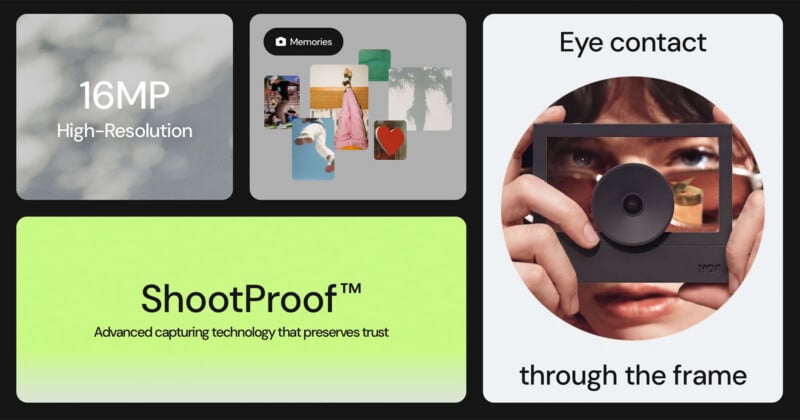
Lutra has introduced the HOA A1, a camera with no display or viewfinder, a 16 MP sensor, and blockchain verification for photos. A batch of 100 cameras will be released on December 21 for $289.
Lutra launches a camera with no screen or viewfinder
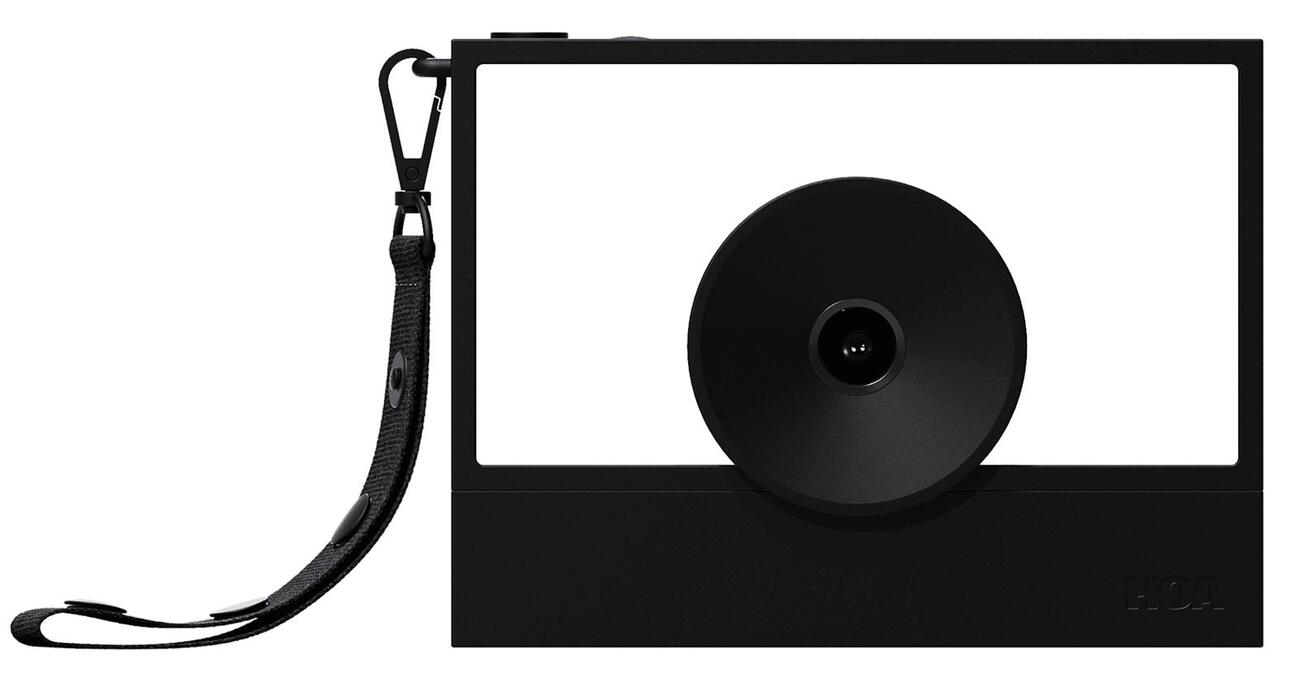
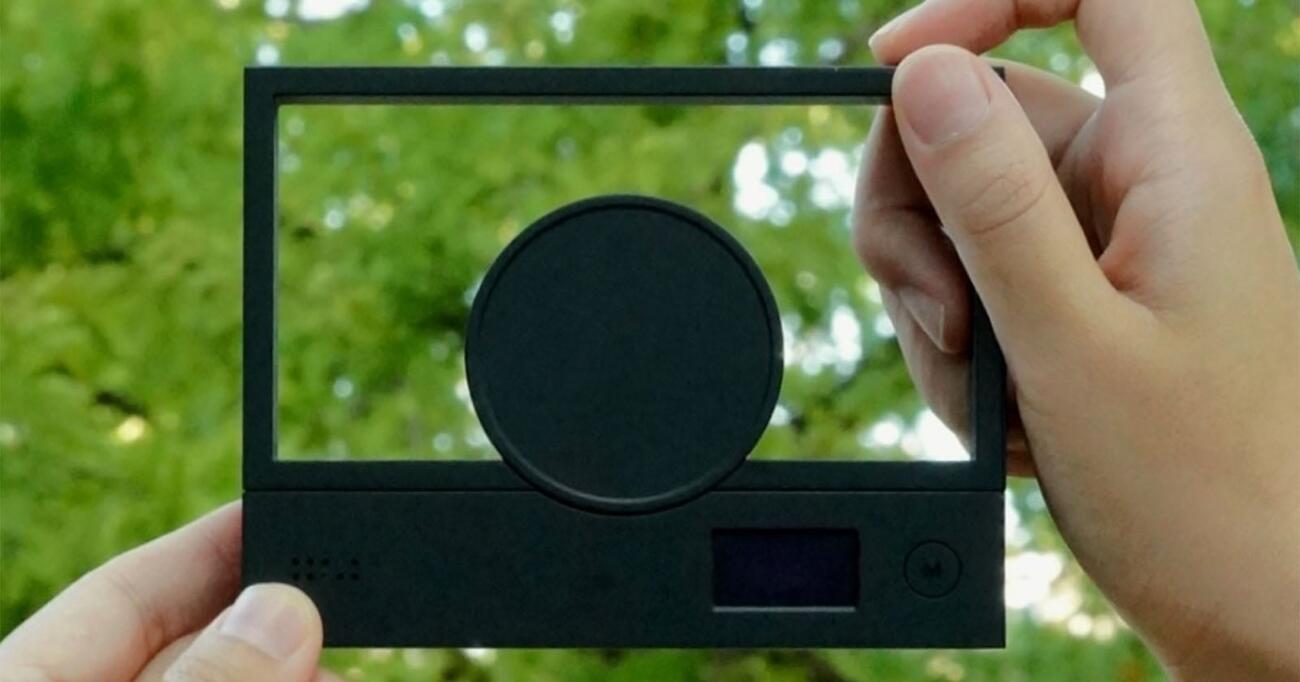
South Korean consumer electronics company Lutra Inc. has introduced a new photography brand, Humans of Authenticity (HOA). Its first model, the HOA A1, is built around an unusual idea: the camera has neither a display nor a traditional viewfinder. Instead, photographers are invited to use a rectangular frame built into the body.
The company describes it as a viewfinder designed for viewing with both eyes. HOA’s idea is that photographers can look through the frame without closing their other eye, allowing them to see the scene around the frame. When taking a photo, users look slightly above the built-in lens, giving them an unusual position in front of the camera.
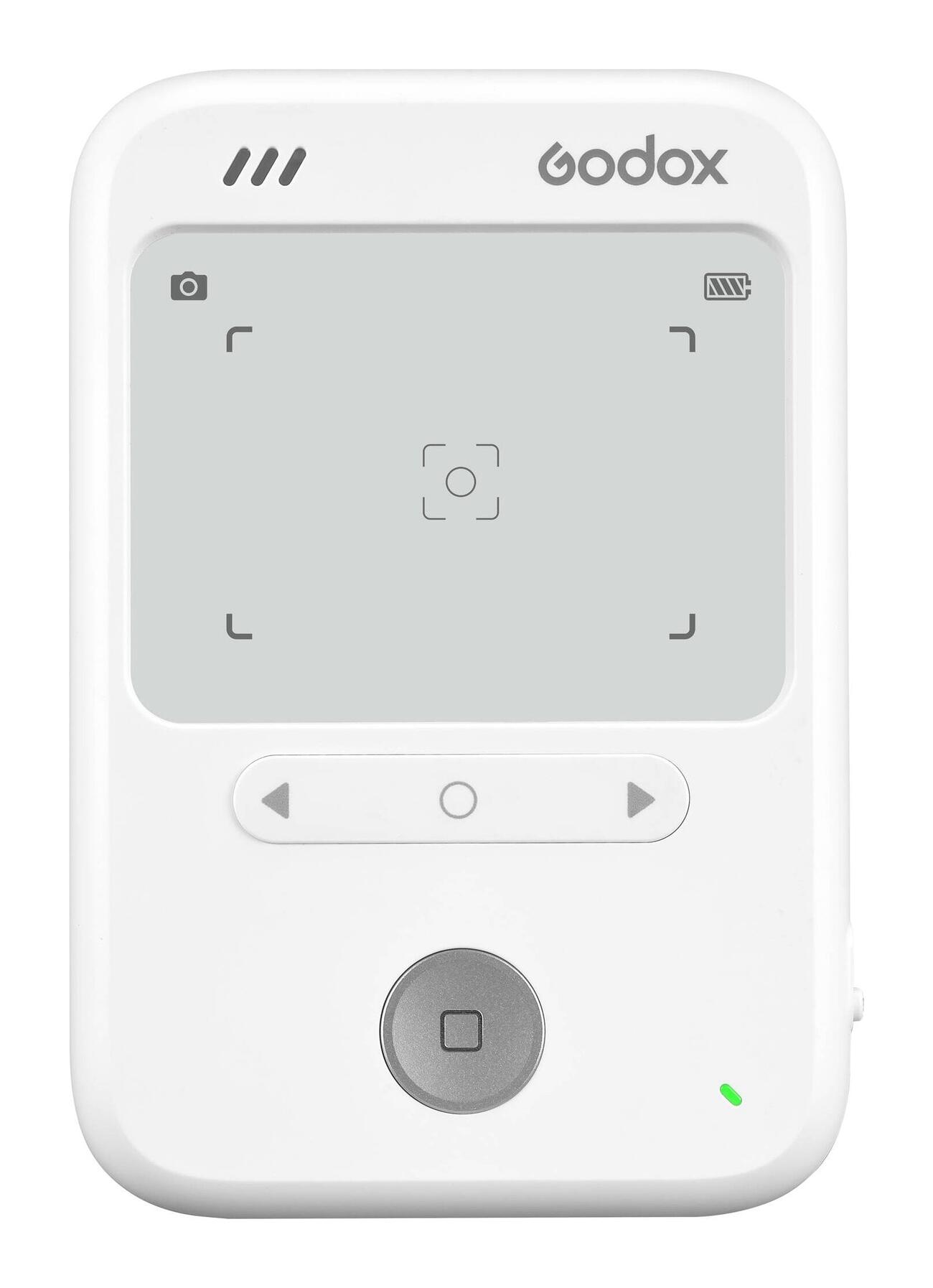
A similar decision to do away with the screen and viewfinder has appeared in another unusual digital camera, the Godox C100. This affordable compact model received a mixed assessment: its main purpose is to reliably measure light for film photography, not to take high-quality photos or videos. The C100’s features included a transparent viewfinder and simple controls. PixelMeter gave it a score of 42 out of 100 based on 11 sources, with an overall verdict described as disappointing.

Lens and sensor
The HOA A1 has a fixed lens with a 26 mm equivalent focal length and a maximum aperture of f/1.75. It is paired with a 16-megapixel Sony IMX sensor. The company has also disclosed the sensor size: Type 1/2.53 format, with a crop factor of approximately 6×.

So the fast f/1.75 aperture does not mean the camera will produce a shallow depth of field: given the small sensor, pronounced background blur is unlikely. The resulting images measure 4656 × 3104 pixels, or about 14.5 MP. The company does not mention RAW, so it is not yet possible to say what file options will be available; the camera may save JPEGs only.
HOA has not yet shown any sample photos. The company says it is still fine-tuning the color and image tone with photographers. There is limited time before the planned launch: sales of the camera are due to begin on December 21, shortly before Christmas. The published materials include a bright red body option; one image caption plays on the lack of a display with the line “An apple a day keeps the screen away.”
Battery life and photo authenticity verification
According to HOA, the built-in battery lasts up to eight hours in standby or 90 minutes of continuous shooting.

Lutra Inc. has considerable experience in blockchain and digital asset authentication. This expertise forms the basis of one of the HOA A1’s key features: the camera verifies the authenticity of every photo using the ShootProof system. When a photo is taken, it creates a certificate linking the image to data about when it was created. The certificate is recorded on a public blockchain while remaining anonymous, unlike some other authentication technologies.

The company believes ShootProof makes it possible to establish that a photograph was actually taken rather than generated. HOA links this to the growing spread of AI-generated images: as such material becomes more common, it is harder to trust what we see. The company’s aim is for proof of a photo’s origin to help maintain trust in photography.
The developers also emphasize the importance of the connection between the photographer and the subject. Because the camera has no display, the photographer’s face remains visible to the person in front of the lens. HOA sees this as a way to stay connected to reality and encourage interaction while taking a photo.
Signature and viewing photos on a smartphone
The HOA A1 has a signature mode. Users create a signature in the companion app—it can be a name or any drawing. The camera adds the selected signature to the corner of every photo. It is not yet known exactly how the feature will appear in the finished images.

A smartphone is needed for more than just adding a signature. It will be the only way to view photos, though details of how the system works have not yet been disclosed. To transfer data, the phone must be held against the back of the camera; the files will then be sent wirelessly. Photos can be taken without a connection, but Wi-Fi is required to view them. According to HOA, a network connection is also needed to securely verify images.
First edition and price
The HOA A1 First Edition will go on sale on December 21. The first batch will consist of just 100 cameras. Each one will be engraved with a unique number from 001 to 100, and buyers will be able to choose a number in order of arrival.
The camera will cost 360,000 South Korean won, equivalent to US$289. Preorders are not yet open. The company suggests following its Instagram page for further updates.