
EPixPro: the forgotten camera that protected image authenticity
The EPixPro is a rare 1996 digital camera with image encryption and authenticity verification. The story of the unusual Obsidian IC/100.

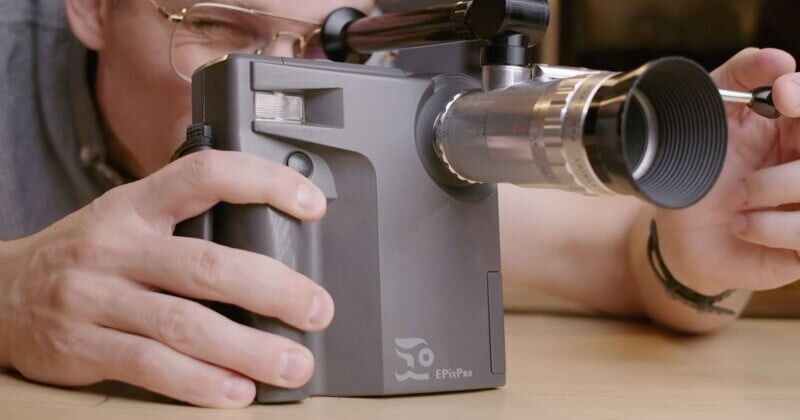
Released in 1996, the EPixPro was designed for documentation: it encrypted images and helped verify their authenticity. The unusual camera was a flop and nearly disappeared.
EPixPro, Obsidian IC/100, or NEC PC-DC401: the forgotten camera with an unusual purpose
Photographer James Warner, who runs the snappiness YouTube channel, has discovered another little-known device from the history of digital photography. The camera is labeled EPixPro on its body, Obsidian Imaging IC/100 on its packaging and in the user manual, and has a NEC chip inside. Warner bought it online for about $400. Its mysterious history even inspired the joking suggestion that the camera could predict the future.
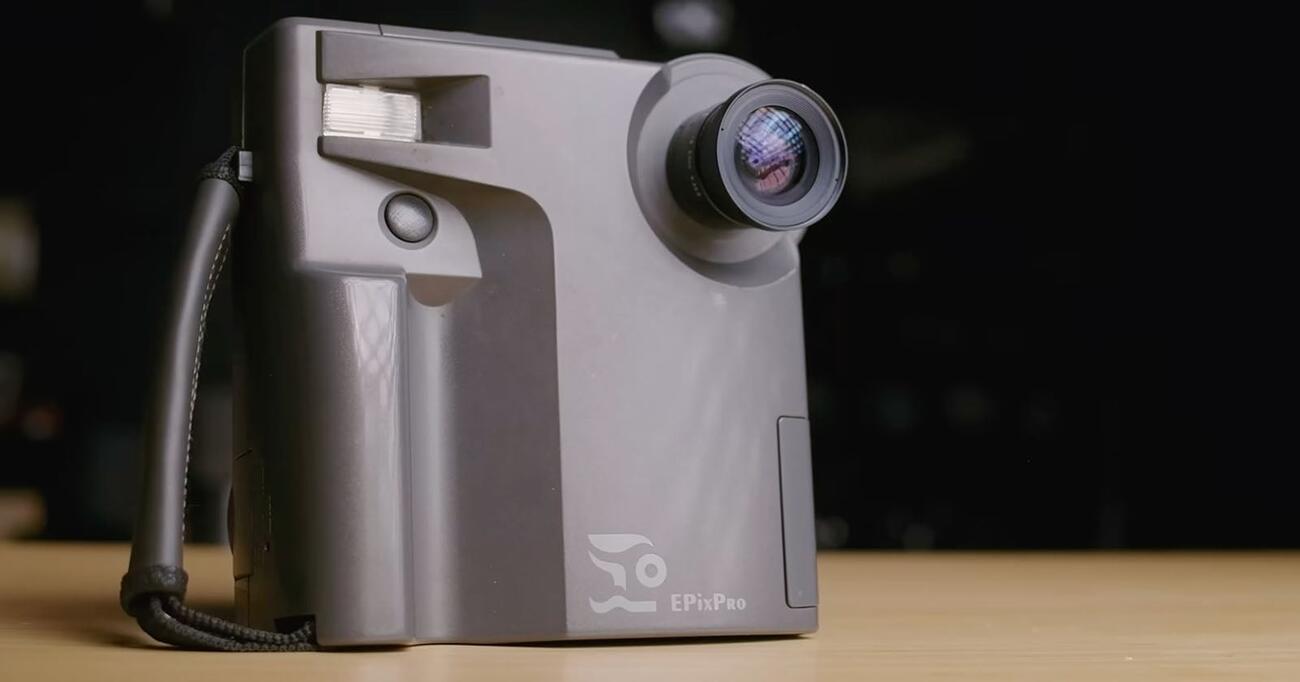
When the camera appeared in 1996, it was made by a startup that, judging by its various names, had undergone a rebrand. Its launch price was $2,000. Today, the EPixPro/Obsidian IC/100 is almost forgotten: Warner calls it one of the most unusual cameras he has ever come across.
He learned about the model while browsing old photography magazines from the 1990s. Its original design and capabilities caught his attention. Over the years, Warner had seen only a few examples for sale, and the others lacked the full set of original accessories and software. So when he found a complete camera, he bought it at the first opportunity.
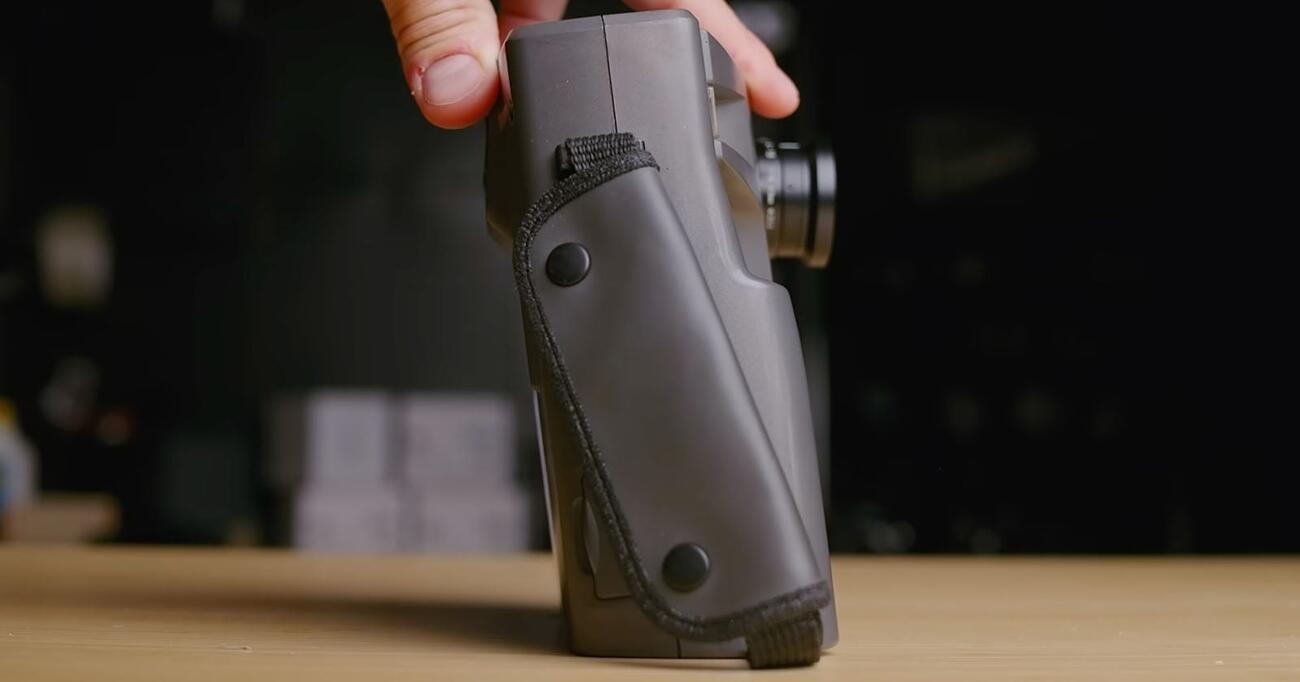
The EPixPro's design and construction
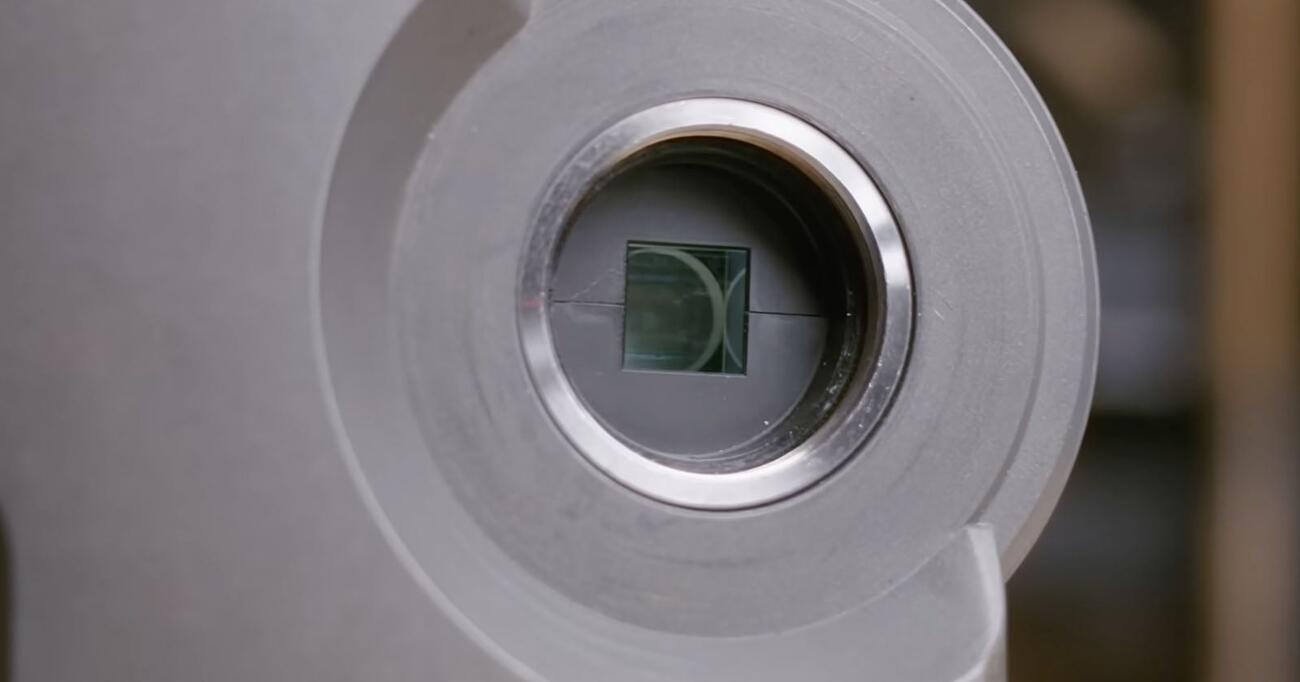
Both inside and out, the camera reflects the characteristic look of 1990s digital equipment: a bulky, almost square, dark-gray plastic body. It has a small Sony CCD sensor with a resolution of 0.3 megapixels. The camera uses a C-Mount lens mount.
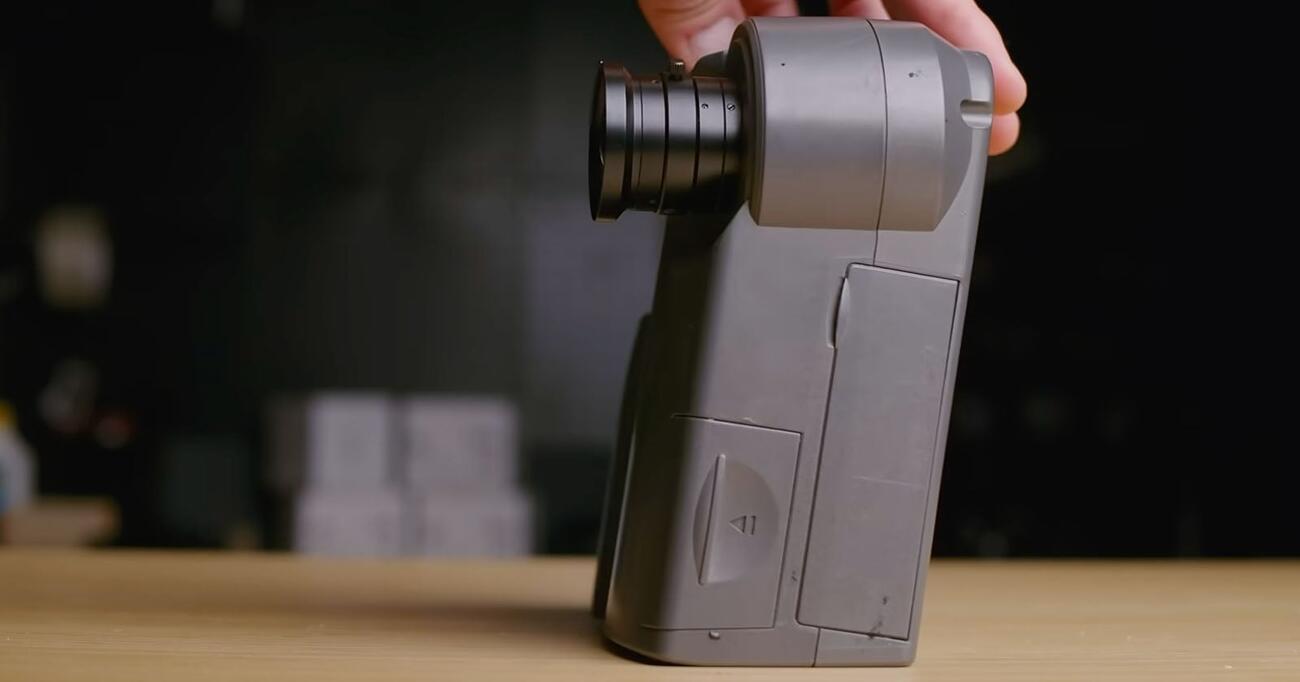
This mount may seem unexpected, but it partly offsets the tiny sensor's severe crop factor. For example, a 50mm lens from a film camera gives the EPixPro a field of view comparable to 250mm. Using lenses from 35mm SLR cameras would make little sense. At the same time, C-Mount lenses are easy to adapt today, so there is a fairly wide range of compatible optics.
Having interchangeable lenses does not, on its own, make the camera appealing for photography. In Warner's assessment, it performs poorly, and his example has strange bands running across the images. Even pictures from a fully working EPixPro would look quite rough, judging by the examples.
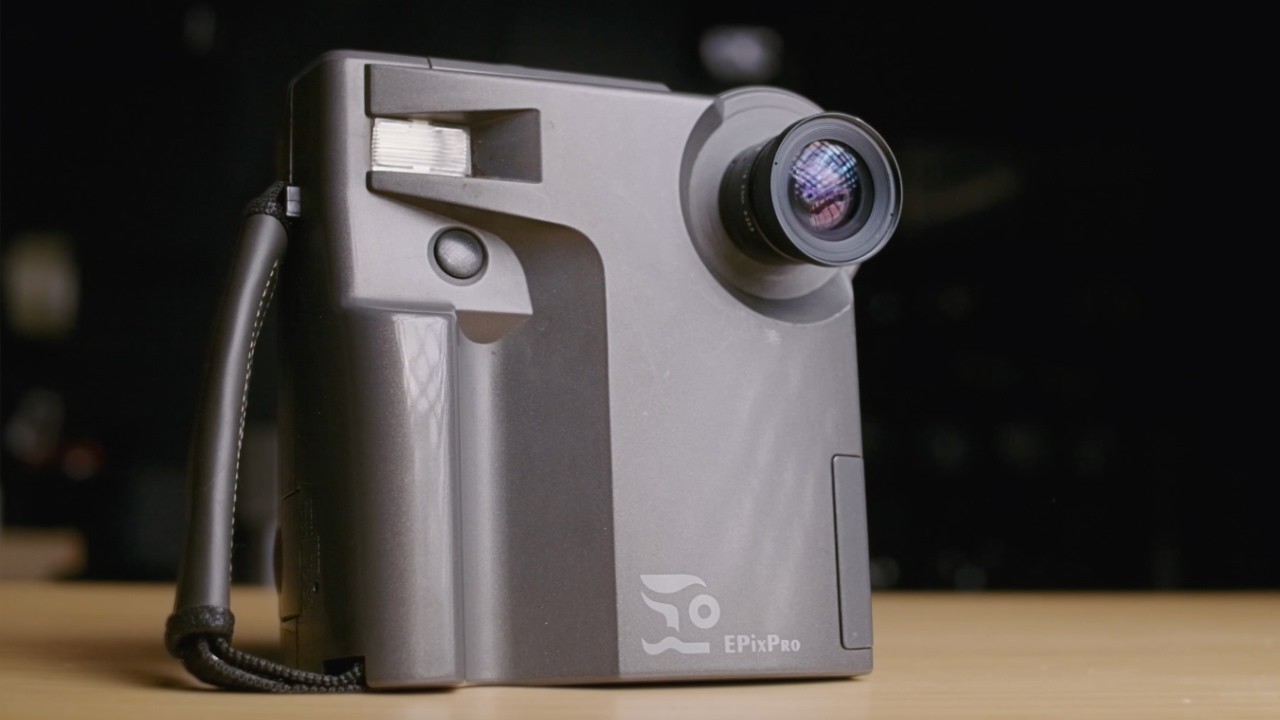
Still, the design has some interesting features. The optical viewfinder uses a beam splitter: some of the light passing through the lens is directed to the viewfinder, while the rest reaches the sensor. The camera is also surprisingly easy to use, even 30 years after its release — at least for Warner, who is well versed in older digital equipment.
A camera for documentation, not creativity
The EPixPro's most notable feature is not so much its photographic capabilities as its purpose. The manufacturer, which later disappeared, marketed it as a tool for work and data documentation, rather than as a camera for artistic photography.
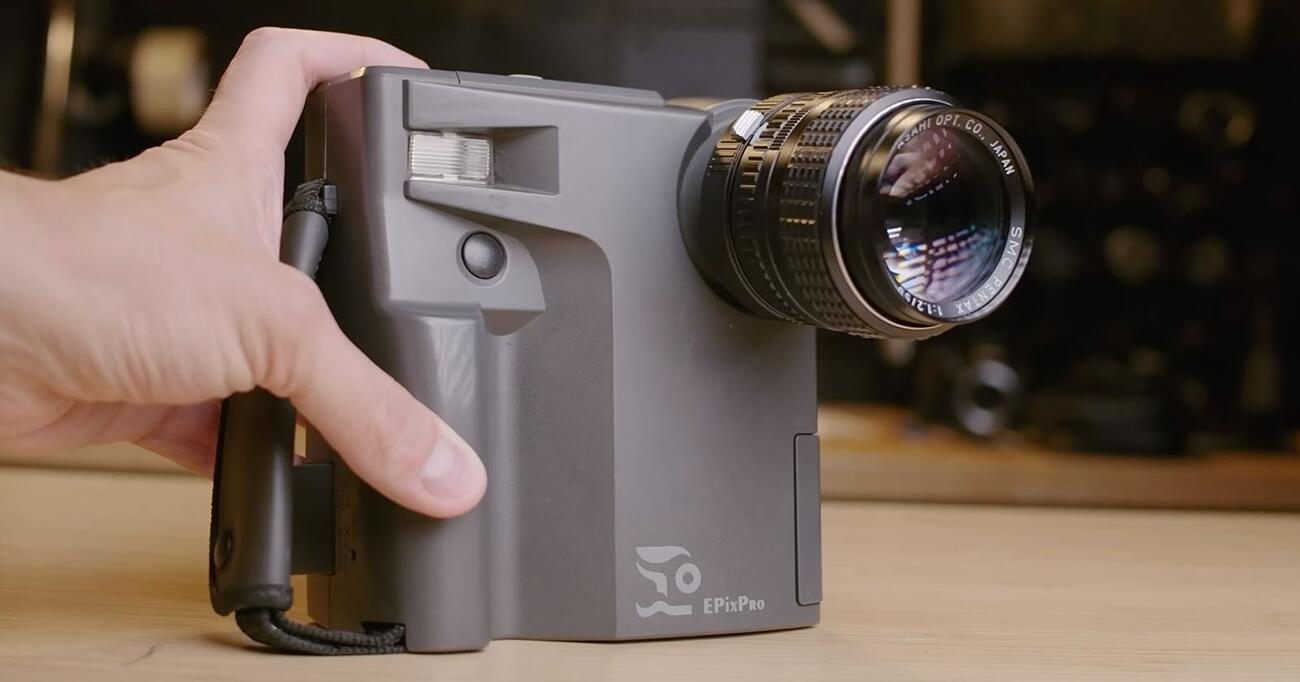
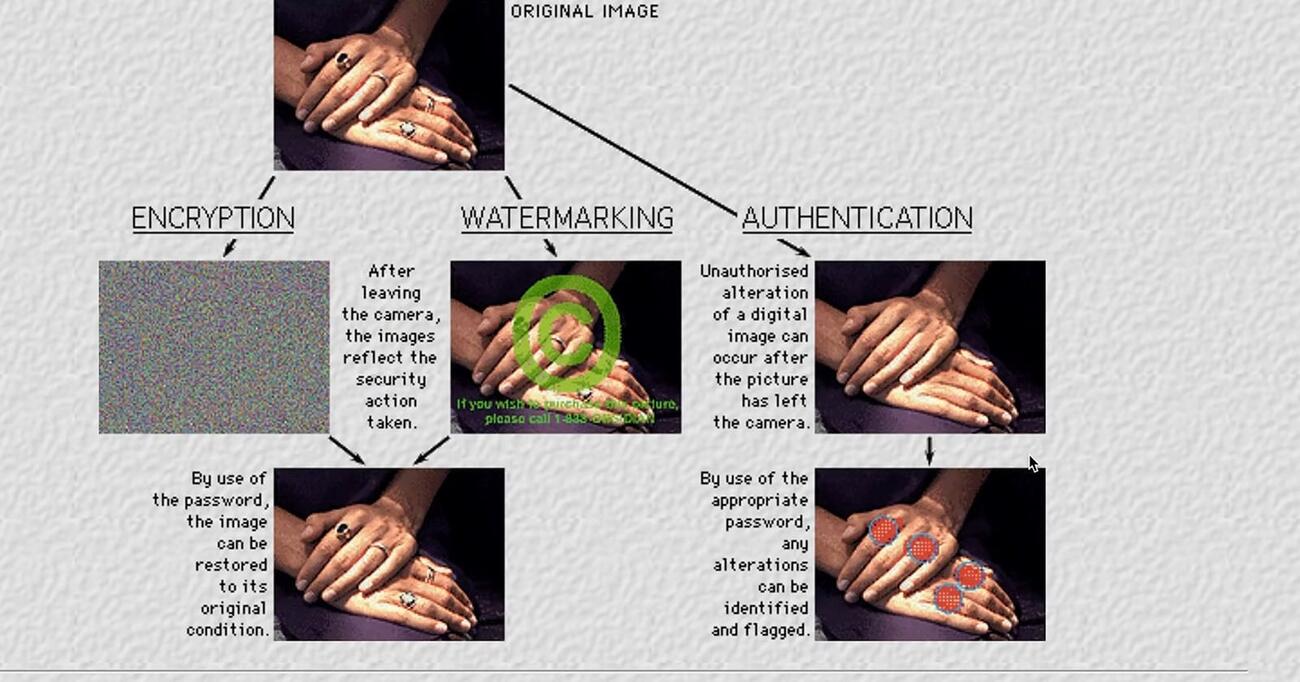
The camera was aimed at insurance companies, police departments, government agencies, and other organizations for whom aesthetics were not a top priority. The EPixPro could encrypt images. It came with software that allowed users to compare their photos with the original files and check whether they had been edited or otherwise manipulated. The camera also supported watermarking.
These features required a fairly powerful processor. According to Warner, its performance was comparable to that of processors in home computers of the time.
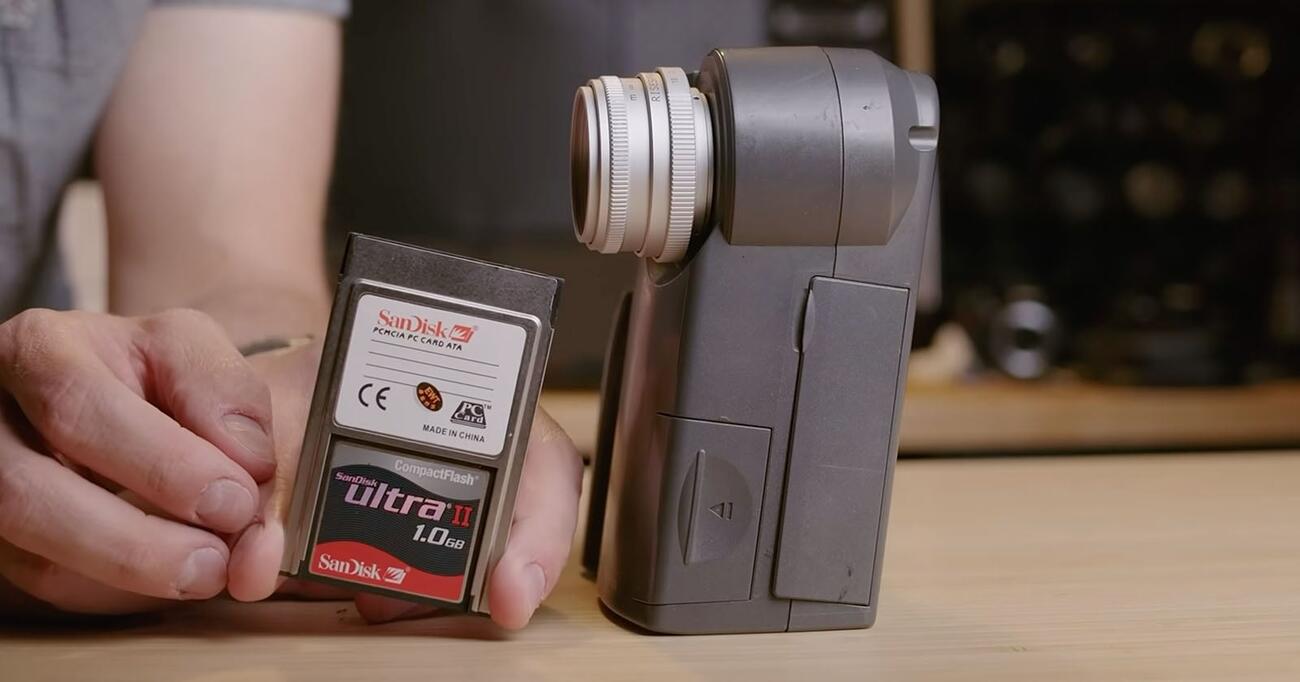
Today, it's easy to imagine how accessible AI tools have become for altering images or creating them from scratch. In 1996, it would have been hard to imagine capabilities like those available today, but concerns about digital manipulation and its legal implications already existed.
The EPixPro also had a feature with an unusual logic for its time, reminiscent of a mode found on the Fujifilm X half. The Film Roll option let users shoot a virtual “roll of film” — a series of frames with preset settings. The settings for the series were selected in the included software.

A project that failed
Despite its encryption, file-authenticity checks, watermarks, and other features, the EPixPro never became a mass-market camera. According to Warner, the fact that it is so little-known is a clear sign that the company failed.
A device that may have been intended to mark a turning point in digital photography did not change the market. The project failed, the manufacturer disappeared, and the camera was nearly forgotten. It is a reminder that technologically unusual ideas do not guarantee success on their own.
At the end, Warner showed the camera he had bought and offered to sell it for the same $400 he had paid.


