Why Apple Keeps iPad and Mac Separate
Why Apple doesn’t put macOS on the iPad Pro: tablet performance, the differences between iPadOS and macOS, and the business reasons for keeping the devices separate.


The iPad’s power and a touch-enabled macOS are already within reach, but Apple preserves iPadOS’s simplicity and the distinct ways each device is used. Keeping the systems separate also benefits the ecosystem and sales of individual devices.
Why the iPad Pro Still Doesn’t Run macOS
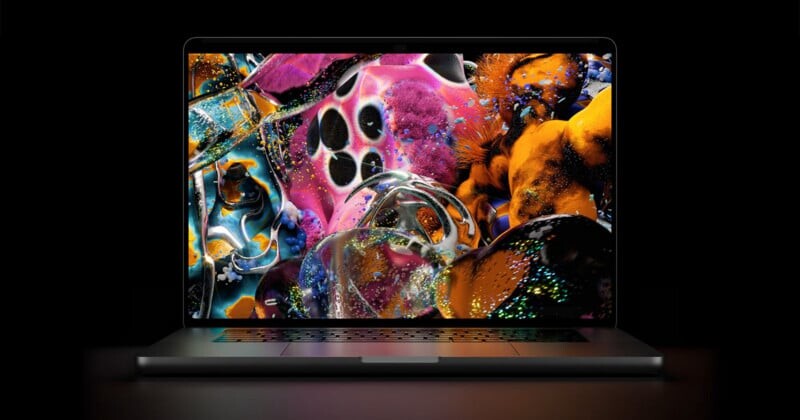
With the arrival of the touch-enabled MacBook Pro with an OLED display and macOS 27, the line between Apple’s tablets and computers has become less clear. However, it is still not possible to install macOS on an iPad Pro. The possibility has been discussed since 2021, when Apple released the M1-powered iPad Pro. Today, there seem to be fewer technical obstacles to running a desktop operating system on some tablet models, but differences between the devices and Apple’s business interests remain important factors.
The iPad Has Enough Processing Power
When the M1 iPad Pro came out in 2021, it immediately sparked discussion about whether the tablet could run macOS. LumaTouch co-founders Chris Demiris and Terry Morgan noted at the time that Macs and iPad Pros could use similar, and sometimes identical, hardware components. However, the systems and the ways people interact with them differ significantly, so in their view, simply porting macOS to the iPad made little sense. They involve different workflows designed for different types of users.

Morgan explained the difference in terms of use cases: a laptop is suitable for a two-week trip, while a desktop computer is more convenient at home. A desktop operating system should feel natural on a desktop computer, while an iPad on a plane should provide a comfortable tablet experience.
Since then, the connection between Mac and iPad has grown closer, but macOS has yet to appear on tablets. Meanwhile, some iPads likely have enough computing resources to run the system in full. The $599 MacBook Neo, introduced on March 4, 2026, uses a chip from the iPhone 16 Pro. Against that backdrop, the M4- or M5-powered iPad Pro, as well as the iPad mini with A20 Pro—a processor from the current flagship iPhone models—seem capable of handling macOS.
In terms of features, the iPad Pro with a Magic Keyboard also has similarities to the MacBook Air. The tablet supports external displays, and the Magic Keyboard comes with a trackpad. Wireless mice and keyboards have long been connectable to the iPad, and macOS would not necessarily have to be limited to Apple’s own devices. The M4 iPad Pro shown in the company’s materials, in the view of proponents of this position, has enough power to run macOS.

Apple’s Different Approaches
At WWDC 2025, Apple software chief Craig Federighi discussed the question with Swiss technology journalist Rafael Zeier. MacRumors later recounted their conversation. Zeier asked directly why Apple does not put macOS on the iPad, especially given that the differences between the two systems are gradually narrowing.
Federighi replied that the iPad is valued for its simplicity and touch controls. The tablet has a broad audience: for some, such as children, it becomes their first computer; for others, including older people who have previously been left out of computing, it is an accessible way to use digital technology.

According to Federighi, the interaction model itself also matters: you can hold an iPad in your hands and control it smoothly and directly, while the system remains simple. When creating the first iPad, Apple sought to remove some of the complexities familiar from computers, including complicated file and app management. The company wants to preserve this principle while giving users more options for in-depth work. These changes include multitasking, improved file management, and new continuity features that connect iPadOS with macOS.
Federighi believes macOS could deprive the iPad of its key distinction: being a device designed primarily for touch. At the same time, he says, the two platforms can borrow good ideas from each other, and Apple has already adapted the best features of each system for the other.
The difference between the interfaces is still apparent: in some use cases, iPadOS is becoming almost as complex as macOS, but it does not offer all the capabilities of a Mac. At the same time, Apple lets users run iPad apps on a MacBook Pro and interact with them much as they would on a tablet, even though a laptop’s form factor is less convenient for such apps. macOS 27 introduced touch support, and the system interface was adjusted for touch input. App developers will likely adapt their software to these new capabilities as well.

Why Not Let Users Choose?
The arrival of the touch-enabled MacBook Pro removed one of the previous explanations for the absence of macOS on the iPad: for years, Apple had said that its desktop operating system was not designed for touch. Now macOS supports touch input and will likely continue to develop this way of interacting. This does not make using a touch screen identical to using an iPad, but it does narrow the practical gap between the devices.
The other argument—that Mac and iPad serve different needs and audiences—still holds. However, the option to install macOS would not necessarily have to change iPadOS’s default interface or make it more complicated for those who value simplicity. Both systems could remain distinct and suit different use cases, even if users were given the option to choose between them.
Technically, switching between systems would not necessarily require a lengthy process: modern iPads and Macs boot quickly. Storage could be an issue. Some iPad models do not have enough room for two operating systems. However, even Apple computers with 256 GB SSDs do not always have much space to spare for a single system and its apps. Meanwhile, iPadOS can be displayed on an external monitor, expanding the ways a tablet can be used beyond its own screen.

Another possible explanation has to do with how the ecosystem is structured. Apple has full control over the iPad’s software environment, including apps and subscriptions. Mac users can download and install software from a wide range of sources, including many developers and companies. The Mac App Store offers convenient access to a large number of high-quality apps, but users are not required to buy their software there. The ability to run macOS on an iPad would change that balance.
When people discussed macOS on the iPad in 2021, hardware limitations may have been considered an obstacle. That explanation is now less convincing. macOS, which was not suited to touch input, has also changed: with the release of the MacBook Pro running macOS 27, the system gained touch support. So commercial considerations may be one of the key factors keeping the two device lines separate.
The prospect of macOS coming to the iPad in the foreseeable future seems unlikely, although there are fewer technical reasons against it. Selling tablets and computers separately benefits Apple: instead of one all-purpose device, the company can offer customers two. For users who value both systems, this approach preserves the choice between Mac and iPad, but does not allow them to be combined in a single device.