AI images and videos distort human memories
An MIT Media Lab study found that AI images and videos can distort memories and increase people’s confidence in incorrect answers.

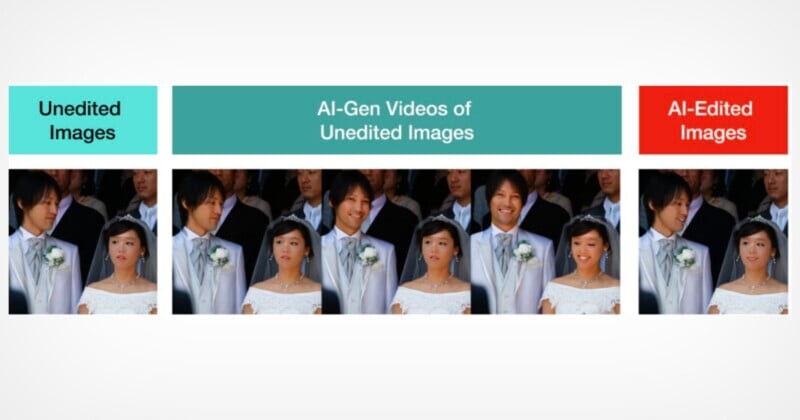
An MIT experiment with 200 participants found that AI content impairs memory of photographs and increases confidence in mistakes. Videos based on altered photos triggered 2.05 times as many false memories.
AI-altered images can change memories
Photographs and videos altered using artificial intelligence can affect how people remember what they have seen. Participants in an MIT Media Lab experiment were more likely to recall details of the original photos incorrectly after seeing altered versions. They also often felt more confident in their incorrect answers.
The study used 24 ordinary photographs depicting, among other things, a wedding, a city street, and a race. Participants first viewed the photos and then completed a different task. After a break, some saw the originals again, while others saw images or videos created from them using AI.
When researchers tested what participants remembered about the original photographs, those who had seen altered content made more mistakes. They were also more confident in their false memories.
“I think all of this is, in essence, very dangerous,” said MIT Media Lab professor Pattie Maes.
How the study was conducted
The study, published as part of the CHI 2025 conference, included 200 participants. They all first viewed 24 original photographs and then completed a neutral task. The researchers then divided them into four equal groups of 50.
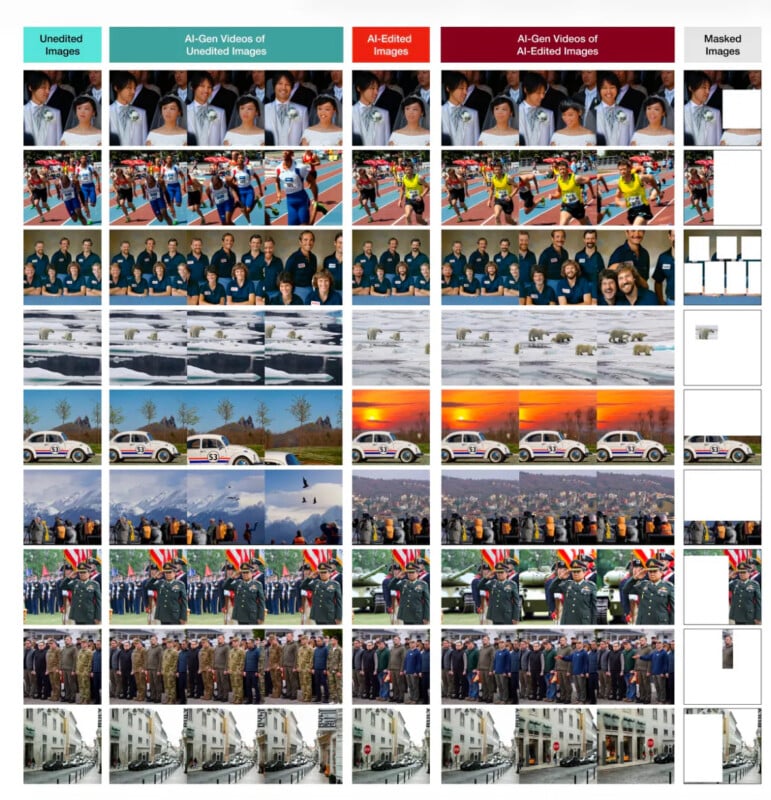
The first group viewed the originals again and served as the control group. The second group saw AI-altered versions of the photographs. The third group watched five-second clips generated from the original photos. The fourth group saw videos created from photographs that had already been altered by AI.
Objects, people, and elements of the surroundings could appear, disappear, or change in the images. After viewing them, participants answered one question about each photograph to test how accurately they remembered the original scenes.
All three groups shown AI-created or AI-altered content made more mistakes than the control group. The most pronounced effect was found among those who watched videos based on altered photographs: the number of false memories in this group was 2.05 times higher than in the control group. Participants were also more confident in their incorrect answers: their confidence score was 1.19 times that of the control group.
Potential effects on thinking
The findings raise questions about how AI tools may affect a person’s ability to remember information accurately. Memory is formed through several processes: people need to focus, make an effort to absorb material, retrieve it from memory later, and connect it with other ideas. Generative AI may perform some of these actions on a person’s behalf, potentially reducing the mental effort needed for learning and remembering.
University of Pennsylvania researchers Gideon Nave and Stephen Shaw are studying AI’s impact on cognitive abilities. Nave, an associate professor of marketing at the Wharton School of Business, is especially concerned that people may practice less often the skills that artificial intelligence systems perform for them. In his view, the risk is not necessarily that AI will become so powerful that it takes control of humanity.
“It’s much more likely that people will start to deteriorate, rather than AI taking over,” Nave said. He added that he fears a future in which “thinking becomes optional.”