Sigma plans to release around ten new lenses a year
Sigma CEO Kazuto Yamaki discussed plans to release around ten lenses a year, Aizu Prime cine lenses, and the role of AI in development.

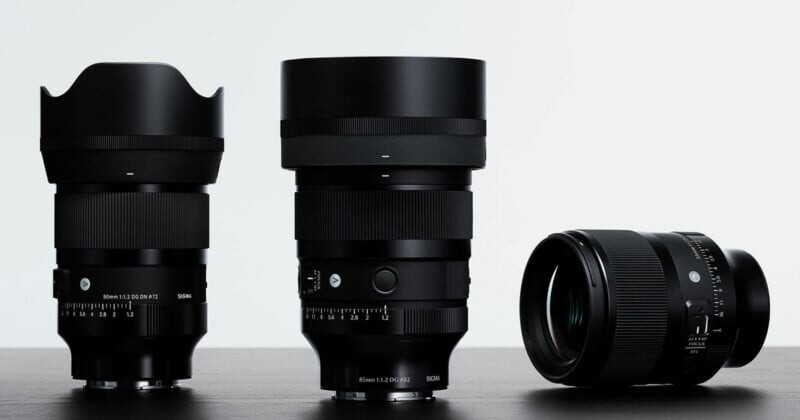
Kazuto Yamaki confirmed Sigma’s plans to release around ten lenses a year; Aizu Prime will remain a prime lens line, and the 18mm T1.3 model is expected in 2027. AI is not yet used in lens design.
Sigma plans to release around ten new lenses a year
At IBC 2026, Sigma CEO Kazuto Yamaki discussed the development of the company’s optics lineup, new technologies, and the future of lens design. Topics included Aizu Prime cine lenses, the use of artificial intelligence, and production organization.
Aizu Prime prime lenses will remain a separate category
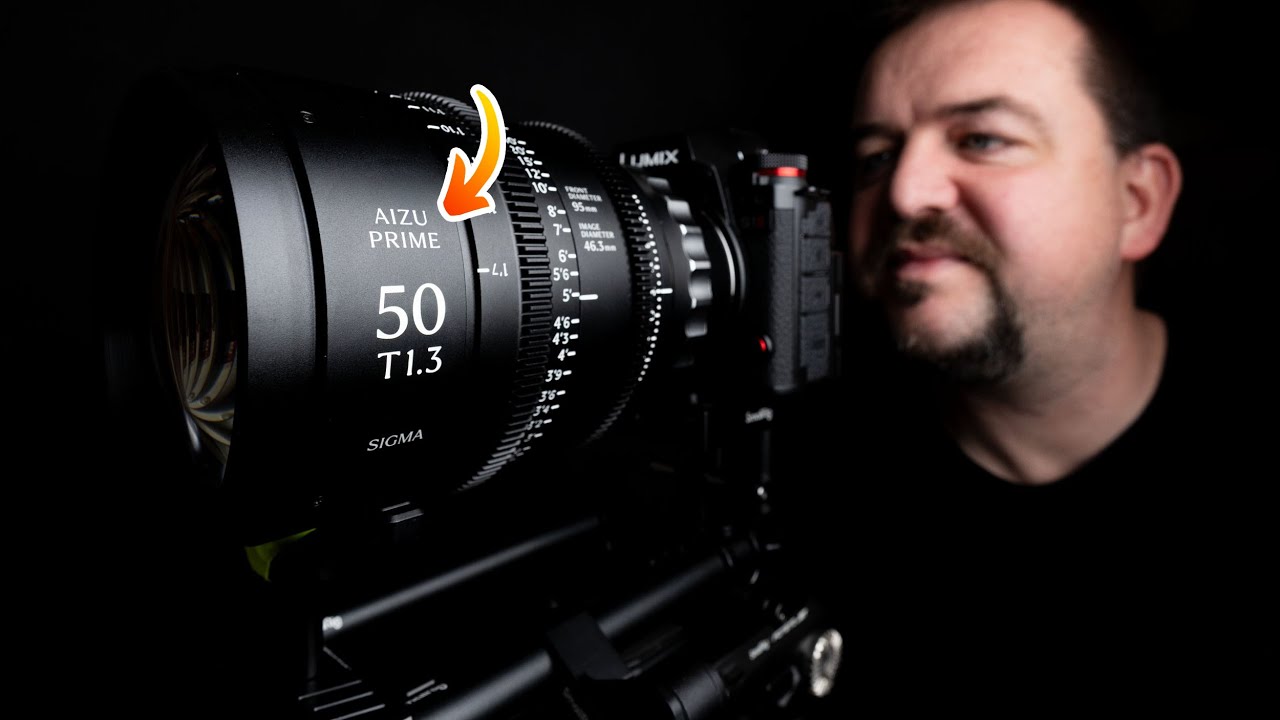
The Aizu Prime cine lens line consists of prime lenses. Yamaki was asked whether Sigma was considering making zoom lenses for the same series. He replied that the company does not consider zoom lenses part of the same category.
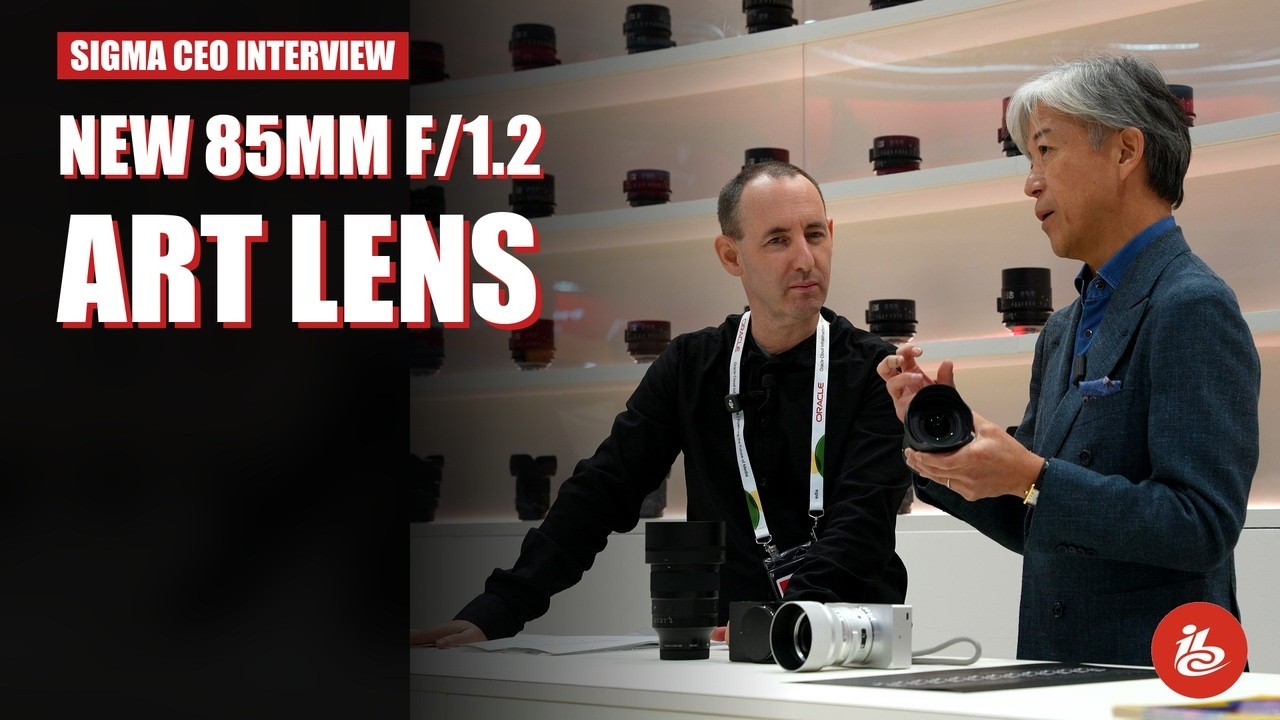
At the same time, Sigma already makes Cine AF autofocus cine zoom lenses, introduced in 2025, which Yamaki said are very popular. He also confirmed that the promised Aizu Prime 18mm T1.3 lens is expected in 2027.

Yamaki sees virtually limitless potential for new models. In 2025, Sigma introduced the BF camera, almost ten photo lenses, and about the same number of Aizu Prime cine lenses. The year before, the company released roughly the same number of photo lenses. Asked whether it was realistic to continue bringing around ten new lenses to market each year, Yamaki answered in the affirmative.
In his view, the opportunities for development have not been exhausted: new technologies and improved materials make it possible to design optics from scratch and improve existing models. Sigma’s CEO therefore believes the company still has many avenues to pursue.
AI does not yet help design lenses
Yamaki said that Sigma does not yet use artificial intelligence to develop optical designs, because the expertise and technologies needed to create high-quality lenses are not available online. They are proprietary developments of the company.
As a result, it is not currently possible to train AI for optical design using public data. Sigma could develop such a system in-house, but has not done so yet. In addition, specialists still play a significant role in lens design and production.

The discussion also mentioned the Sigma 20-60mm f/2.8-4 DG Contemporary lens and the use of supporting robotics in manufacturing. Robots help the company keep production costs under control.
Sigma released numerous lenses in 2026. Yamaki’s prediction that the optics lineup will continue to expand suggests the company may maintain a strong pace in 2027.
Photo: Sigma.